Sponge painting: a wall decorating technique that adds depth and character

Sponge painting: a wall decorating technique that adds depth and character
Is there a wall in your home you walk past without a second glance? Sponging can turn it into the thing people notice first. I have worked with this technique for years and I still enjoy the moment when depth starts to come out of a flat surface. It works in apartments as well as commercial spaces, and the finish can be kept quiet or pushed bold, depending on the room.
What is sponging?
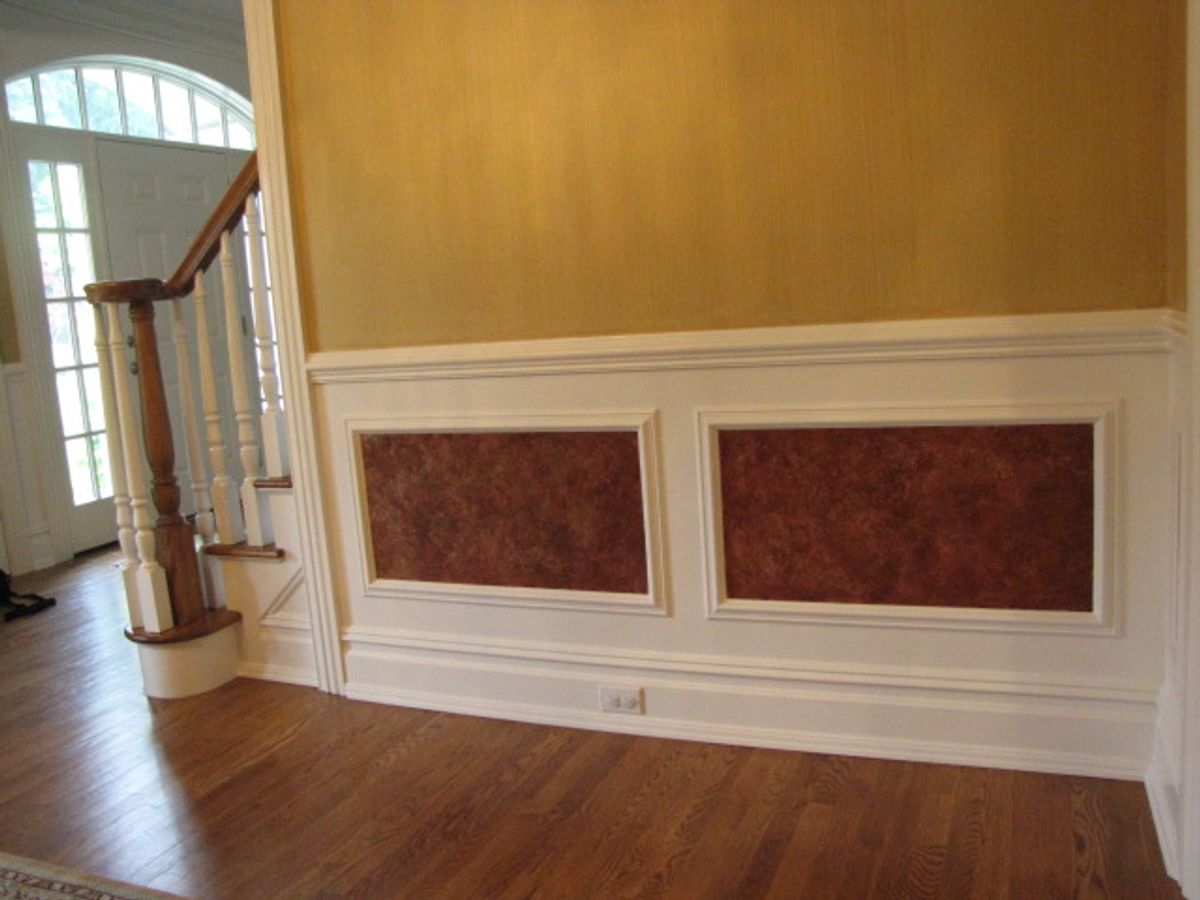
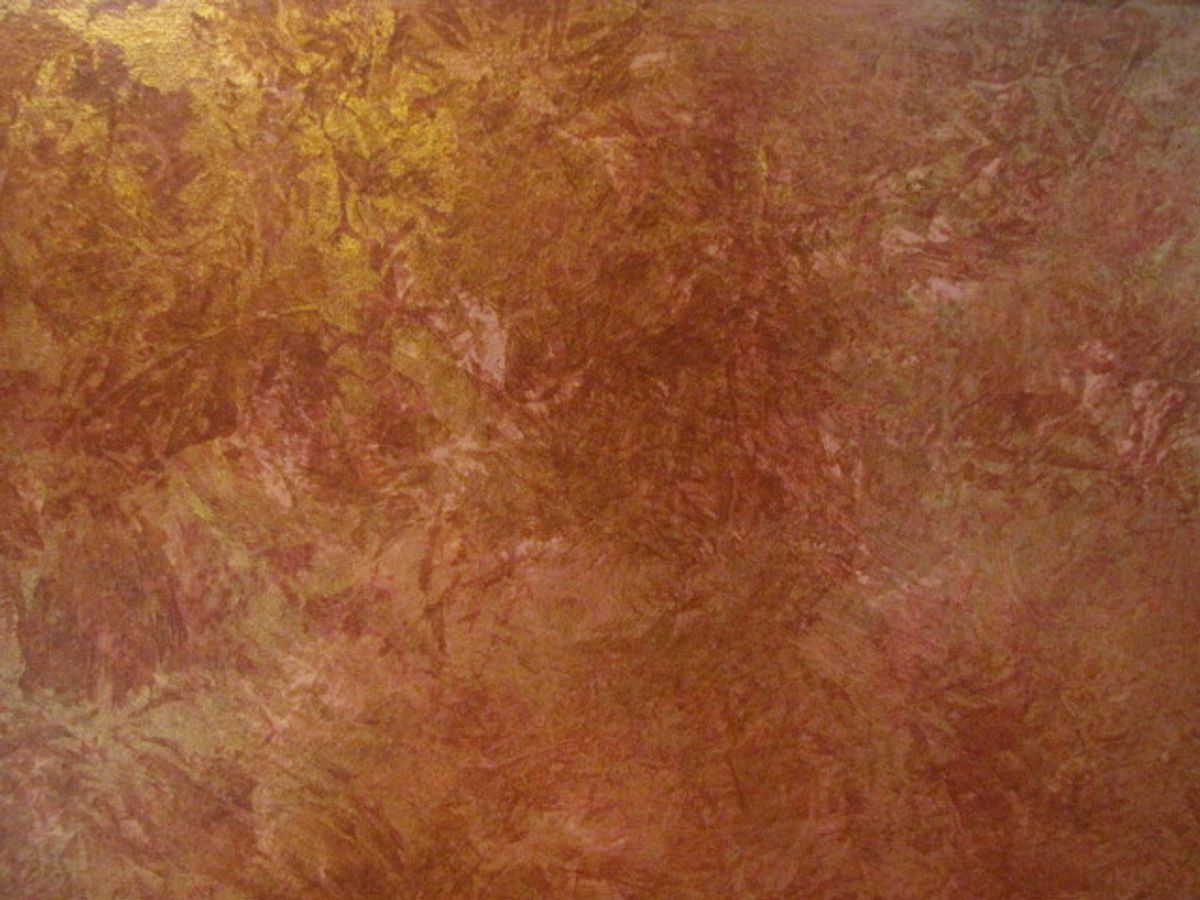
Sponging means applying or lifting paint and translucent glaze with a natural sea sponge. The pores of a sea sponge vary in size and spacing, so no two presses against the wall ever look the same. Depending on the colours and the way you work, the finish can resemble the depth of stone, a watercolour wash or gently aged plaster.
Sponging on
You dip the sponge in paint or glaze and dab it onto the wall, layer after layer. Each layer adds depth and texture. The pattern comes out lively and fairly bold, which is why I often use it in living rooms, restaurants and offices. A big plus of this version: the clock isn't ticking, you can work in stages.
Sponging off
Here the order is reversed. First a coat of translucent glaze goes onto the wall, and before it dries I lift it off with a damp sponge. The base shows through and you get soft, blurred tonal transitions, a bit like suede or old plaster. The result is calmer and more refined, so it sits well in bedrooms and in classic or vintage interiors. The catch: you work wet-on-wet, which means fast and without breaks.
Natural or synthetic sponge?
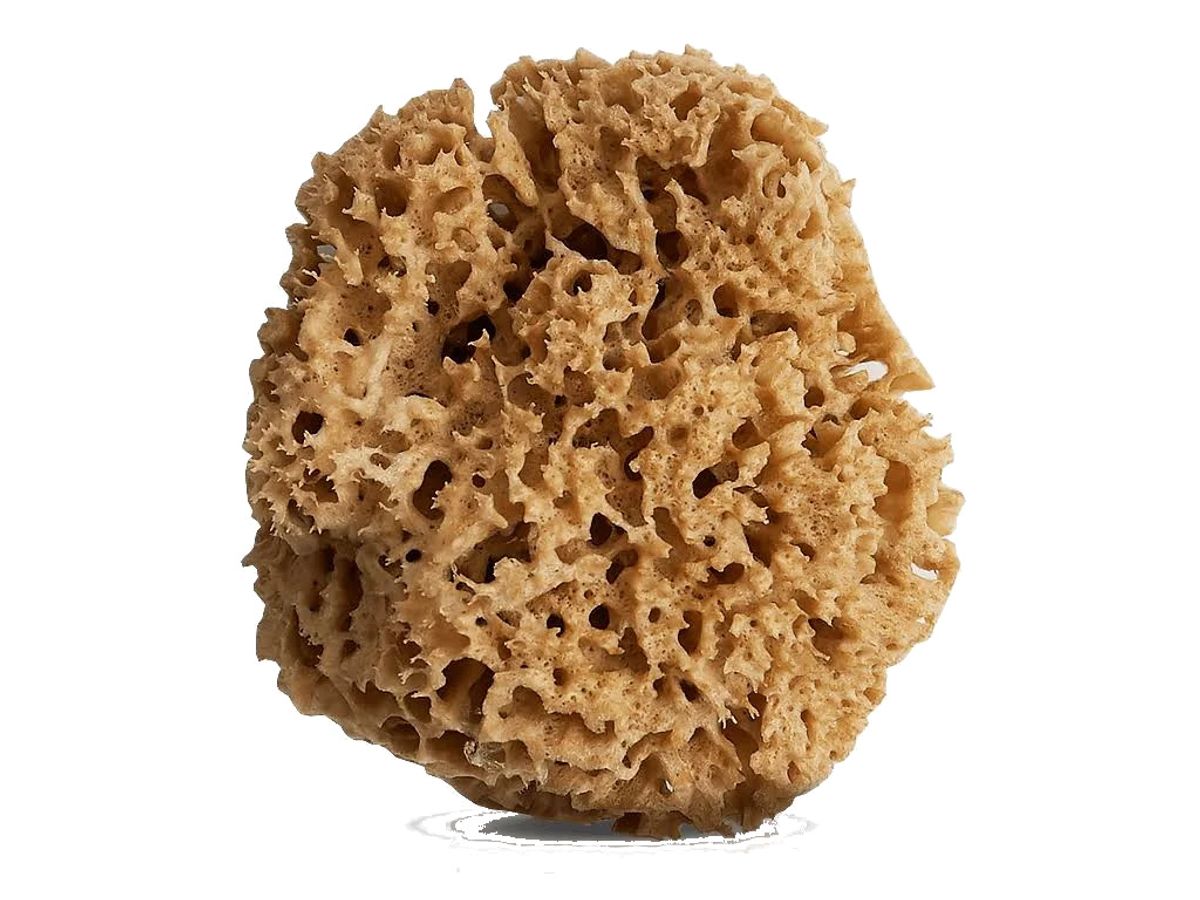
The difference is visible to the naked eye. A natural sea sponge has uneven pores of varying sizes, so the pattern it leaves looks organic. A synthetic sponge has a perfectly regular, factory-made structure and leaves a matching imprint: repetitive and slightly artificial. For decorative work I only use natural sea sponges. It's one of those details that show in the quality of the finished wall.
The other material that matters is the glaze: a translucent painting medium rich in binder and low in pigment. It lets layers of colour show through one another and build an illusion of three dimensions. I adjust the paint-to-glaze ratio for each project, because every wall and every kind of light behaves differently. Sponging is one of many ways of working with glazes — I've described others in my article on 6 decorative techniques that turn an ordinary wall into a work of art.
Where does sponging work best?
Almost anywhere, though every space has its own rules.
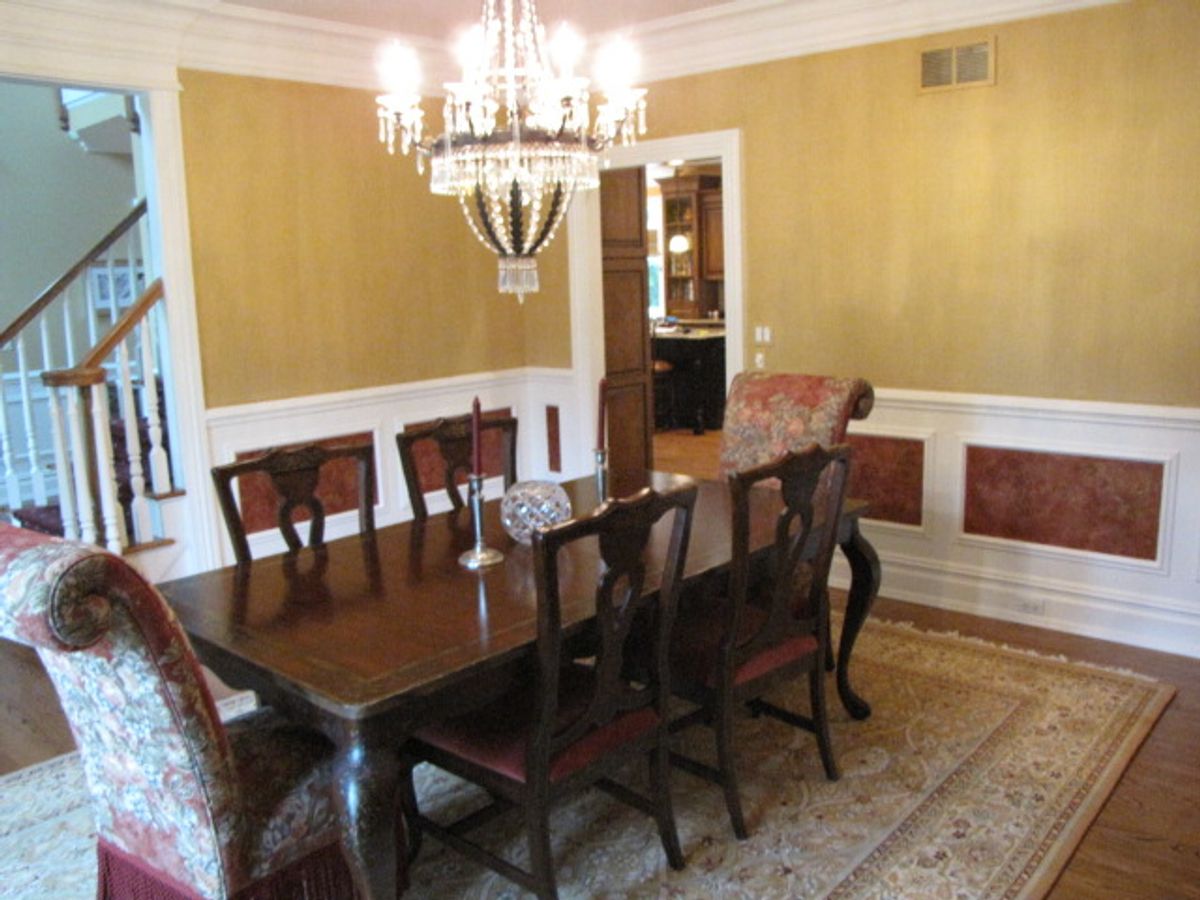
In a home, a sponged wall works as a backdrop for furniture and decor, but it has plenty to say on its own. Warm beiges, terracotta or sage green calm an interior down. Deep navy and bottle green give it class — those are the colours I particularly like in living rooms.
In a restaurant, wall colour genuinely shapes how guests perceive the place and how long they stay. Warm reds and terracottas encourage lingering at the table, while natural greens and limewash effects bring associations of freshness. A sponged background behind a mural or a trompe l'oeil element makes a venue stand out and gives guests something they want to photograph. Free advertising.
In an office, a decorative finish can reinforce a company's visual identity. Blues help with focus, greens bring a sense of rest and recovery. Employees feel it, even if they can't quite say why.
DIY or professional?
In short videos, sponging looks trivial. On two square metres it genuinely is. The trouble starts on a full wall: sharp gaps appear in the corners and along the ceiling line, the pattern begins to repeat like wallpaper, and when the paint dries at the edge of a work stage (losing the so-called wet edge), visible seams show up. Then there's surface preparation. Skipped priming takes its revenge a year later, when the finish starts to fade or peel.
Well-executed sponging on proper, specialist materials lasts 7–10 years without refreshing. An amateur version often needs touch-ups after a single season. The difference sits in the details: precise corner work, higher-grade materials and an original pattern designed for a specific interior rather than left to chance.
Sponging as a base for a mural
A textured surface makes an excellent base for painted artwork. Clouds on such a wall have volume, and the green of painted trees carries the depth of a real forest. In children's rooms, hotel lobbies and restaurants I combine both techniques, and these are the projects clients remember longest. And if you're considering a mural itself, here I compare botanical and geometric designs — it should make choosing a direction easier.
What does it cost?
Rough rates per square metre: standard painting 15–25 zł, decorative painting in the basic range (ombre, textured effects) 30–60 zł, a wider range of techniques 40–80 zł, a custom mural 150–500 zł. The final price depends on the surface area, the condition of the wall and the complexity of the design. Mural rates are broken down in more detail in my mural price list.
Get in touch
If you're wondering whether sponging would suit your interior, write to me. I work in Kraków and Warsaw. Every project starts with a consultation where we match the colours and the technique to your space.
Ask for a quote at joannakruza.com
Joanna Kruza – murals and decorative wall finishes. I paint interiors with character.